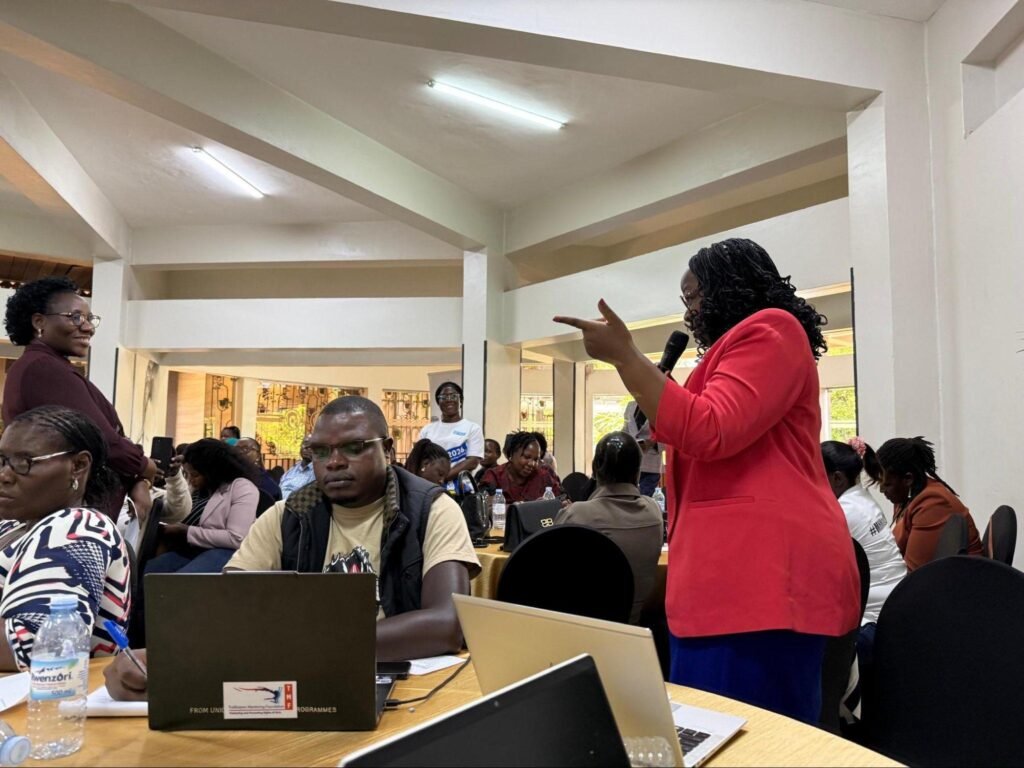
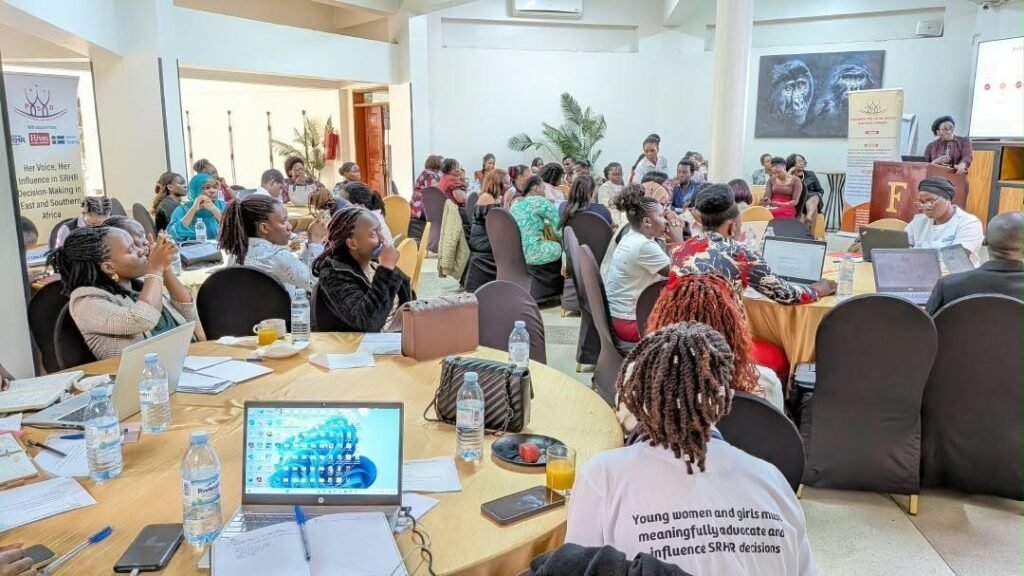
Raising Teenagers Uganda recently participated in the Quarterly Menstrual Health and Hygiene (MHH) steering committee meeting that was organized by the Ministry of Education and Sports at Hotel Africana bringing together Civil Society Organisations, partners, government institutions, private sector among others.
Menstrual health and hygiene is an essential component of girls’ health, education, dignity and overall wellbeing yet for many girls, menstruation continues to present challenges that extend beyond the physical experience of having a period. Limited access to menstrual hygiene products, inadequate sanitation facilities, insufficient information and persistent stigma can affect girls’ confidence, participation in school and ability to engage fully in everyday activities. Addressing these challenges requires more than providing menstrual products. It calls for sustained investment in menstrual health education, supportive environments, effective policies and strong partnerships among government institutions, civil society organizations, communities and other stakeholders.
It is against this background that Raising Teenagers Uganda was honoured to participate in the Quarterly Menstrual Health and Hygiene Steering Committee Meeting organized by the Ministry of Education and Sports. The meeting provided an important opportunity for stakeholders to engage on menstrual health and hygiene priorities and reinforce collective efforts to support the implementation of Uganda’s National Menstrual Health and Hygiene Strategy.
Uganda’s National Menstrual Health and Hygiene Strategy provides an important framework for addressing menstrual health challenges and promoting an environment in which girls and women can manage menstruation safely, confidently and with dignity. Effective implementation of the national strategy requires coordinated action at different levels, from policy development and institutional planning to practical interventions within schools and communities. While national policies establish priorities and guide interventions, community based organizations play a role in translating these commitments into action. Through direct engagement with girls, parents, teachers and community leaders, organizations help identify barriers, provide menstrual health information, challenge harmful beliefs and promote positive attitudes towards menstruation.
Civil society organizations are important partners in promoting menstrual health and hygiene because of their proximity to communities and their experience working with adolescents. Through mentorship, community engagement, advocacy and awareness raising initiatives, CSOs can help girls understand menstruation, make informed decisions about their health and develop the confidence to manage their periods without shame or fear. They can also engage parents, caregivers, teachers and other community members to challenge menstrual stigma and create supportive environments for adolescent girls.
However, menstrual health interventions must recognize that girls’ experiences differ depending on their circumstances. Girls living in underserved communities, those with disabilities and those facing economic barriers may encounter additional challenges in accessing appropriate menstrual products, private sanitation facilities and reliable information. Addressing these inequalities requires inclusive approaches that respond to the diverse needs of girls while ensuring that menstrual health remains a shared responsibility. By bringing together government institutions and civil society actors, the MHH Steering Committee creates an important platform for dialogue, coordination and collective action towards addressing these challenges.
We appreciate the Ministry of Education and Sports for its continued engagement of civil society organizations in discussions concerning menstrual health and hygiene. Meaningful engagement between government and civil society is essential to ensuring that policies and strategies are informed by experiences from the communities they are intended to serve. This collaboration also creates opportunities for stakeholders to share knowledge, identify implementation challenges, strengthen accountability and explore practical approaches to improving menstrual health outcomes.
We remain committed to supporting the implementation of Uganda’s National MHH Strategy through community-based action and collaboration with relevant stakeholders. This commitment includes promoting accurate menstrual health information, encouraging open conversations about menstruation and advocating for approaches that recognize menstrual health as an important part of girls’ rights and well-being.
We believe that every girl deserves to experience menstruation without shame, discrimination or unnecessary obstacles and through sustained partnerships and community driven action, we can build a future where every girl has the knowledge, resources and support she needs to manage her menstruation with dignity and confidence.
Compiled By; Pillar Mbabazi.






Leave a Reply
You must be logged in to post a comment.